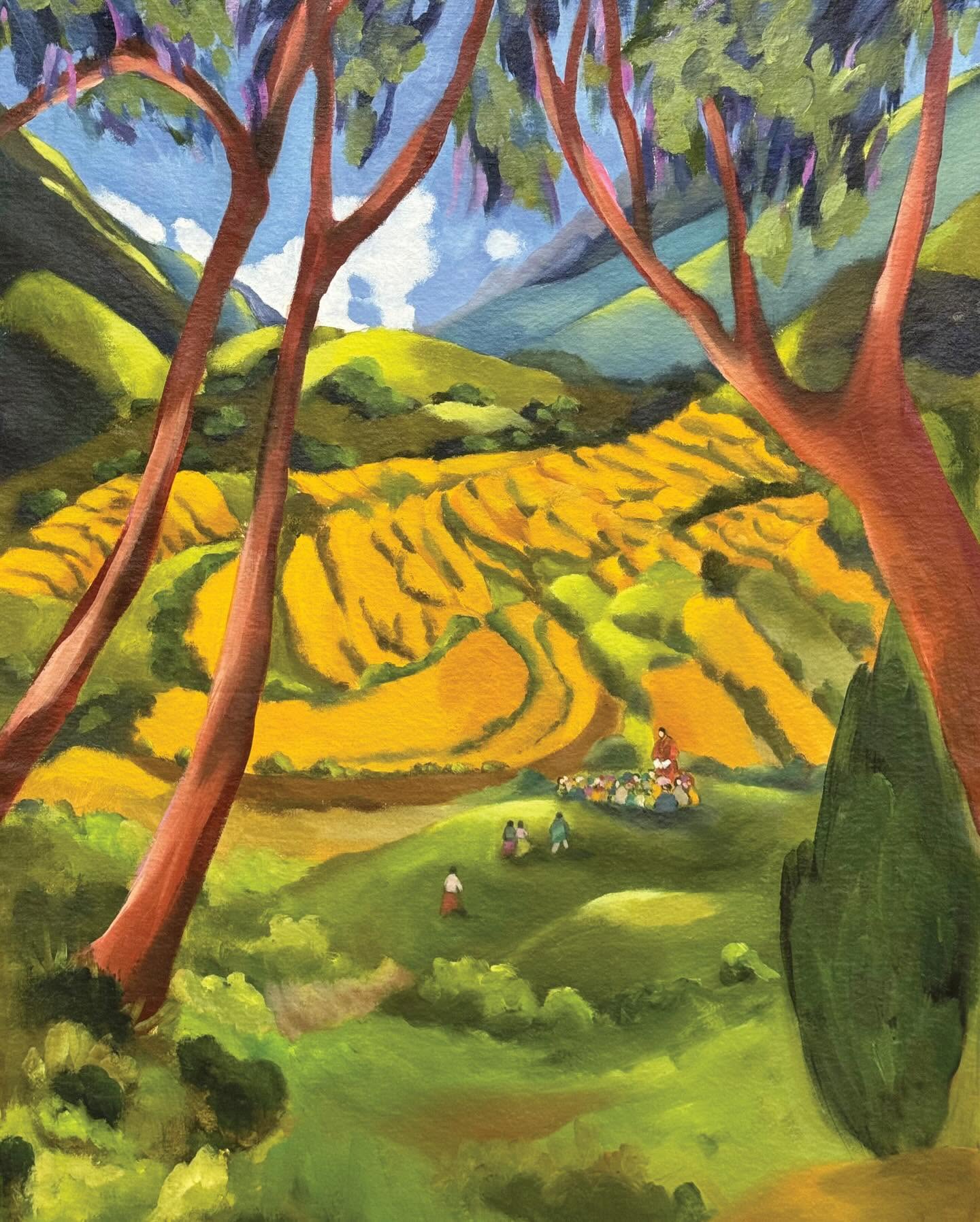
Experience the birthplace of Bhutan’s monarchy.

The Wangduechhoeling Palace Museum and Cultural Centre

The Wangduechhoeling Palace Museum and Cultural Centre

Visit

Step into the historic Wangduechhoeling Palace, once the royal residence of Bhutan’s founding monarchs, and witness its transformation into a museum dedicated to preserving the nation’s rich legacy.

Explore

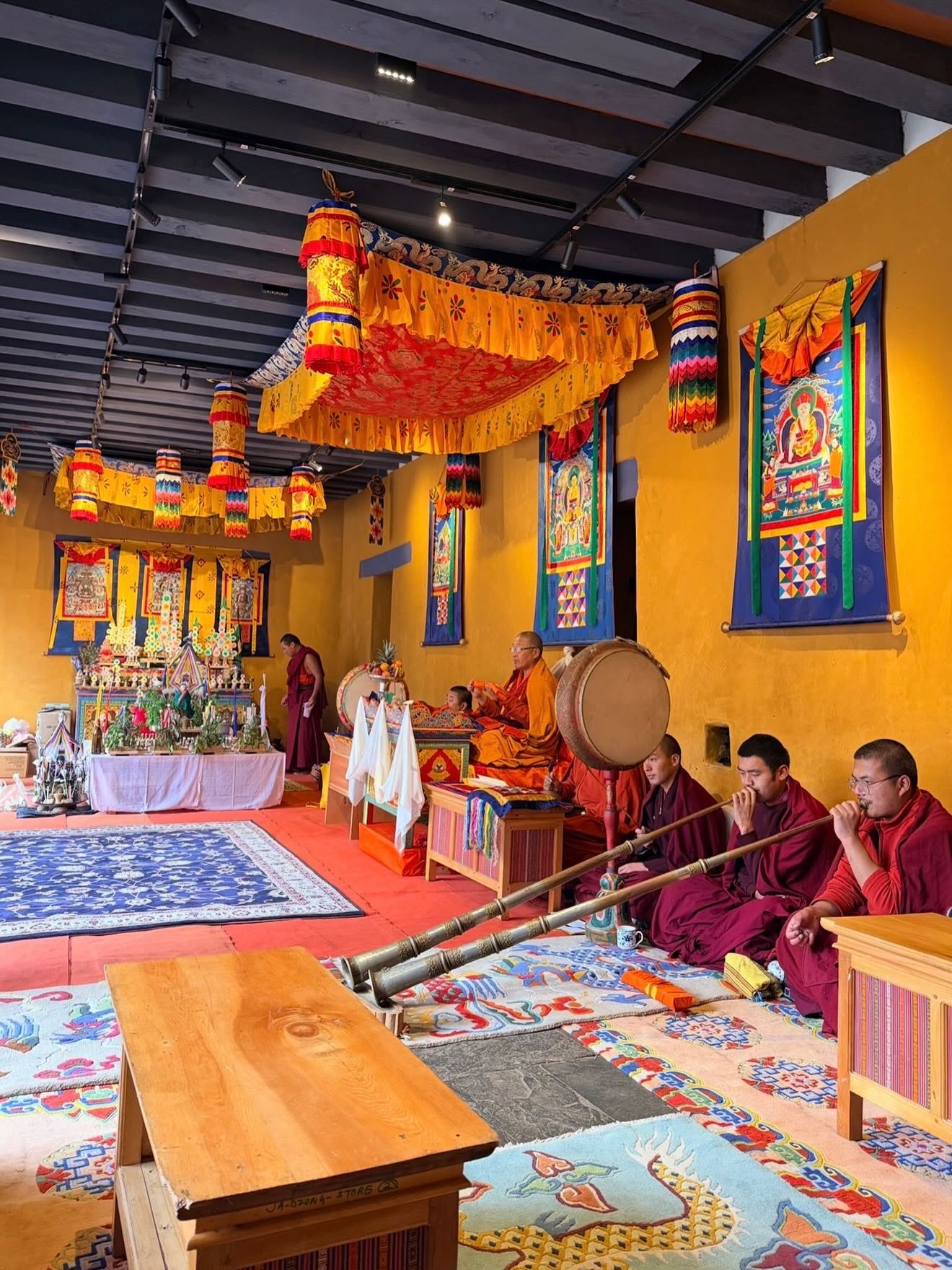
Wander through the palace’s halls, artifacts, and exhibits, delving into the stories of Bhutan’s past, its monarchs, and their enduring contributions to the country’s governance, culture, and traditions.

Immerse

Engage in interactive and experiential displays, reenactments, and hands-on activities designed to bring Bhutanese history and heritage to life, offering a deeper and more personal connection to the past.

Discover

Uncover the lesser-known narratives of Bhutan’s history, its vibrant traditions, and the profound wisdom of its leaders, leaving with a renewed appreciation for the nation’s cultural wealth.

A Royal History

Trace the Footsteps of the Kings Who Shaped a Nation
FOUNDER OF WANGDUECHHOELING

1825 ➔ 1881

JIGME NAMGYEL

Gongsar Jigme Namgyel, a national hero and father of Bhutan's First King, unified the country and laid the foundation for the Wangchuck monarchy. On the site of a key military triumph, he built Wangduechhoeling Palace, naming it "victory" (Wangdue) and "a place rich in Buddhism" (Chhoeling). His decisive victory in 1857 made him the secular leader of Bhutan, ending two decades of civil strife and paving the way for the dynasty.
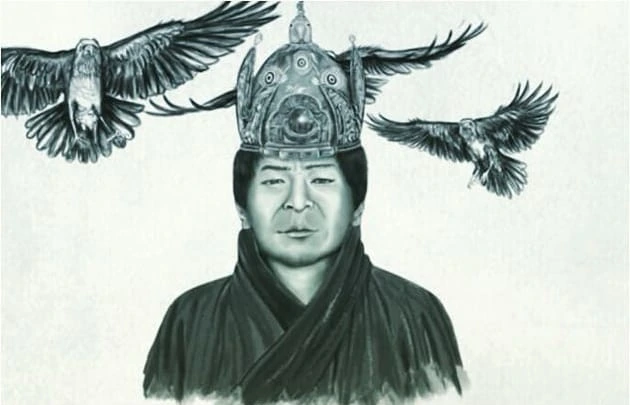
Jigme Namgyel

Photo Credit: Yellow Bhutan

FIRST KING OF BHUTAN

1862 ➔ 1926

UGYEN WANGCHUCK

Jigme Namgyal's son Ugyen Wangchuck was born in 1862 in the Wangduechhoeling Palace, where he would later be elected Bhutan's First King in 1907. After his mother's death he moved out of the Palace and relinquished it to his sister, Ashi Yeshey Chodron.
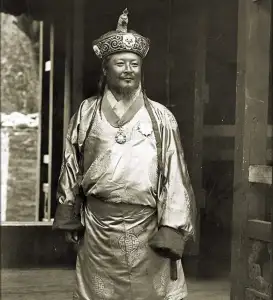
Ugyen Wangchuck

Photo Credit: Yellow Bhutan

SECOND KING OF BHUTAN

1905 ➔ 1952

JIGME WANGCHUCK

Ugyen Wangchuck's first son and Bhutan's Second King, Jigme Wangchuck, spent most of his life at Wangduechhoeling Palace. He focused his energy on construction projects, including renovating monasteries and schools across Bhutan. He initiated the annual Mela festival on the Palace grounds. It was under Jigme Wangchuck's reign that Wangduechhoeling Palace became the seat of Bhutan's governance.
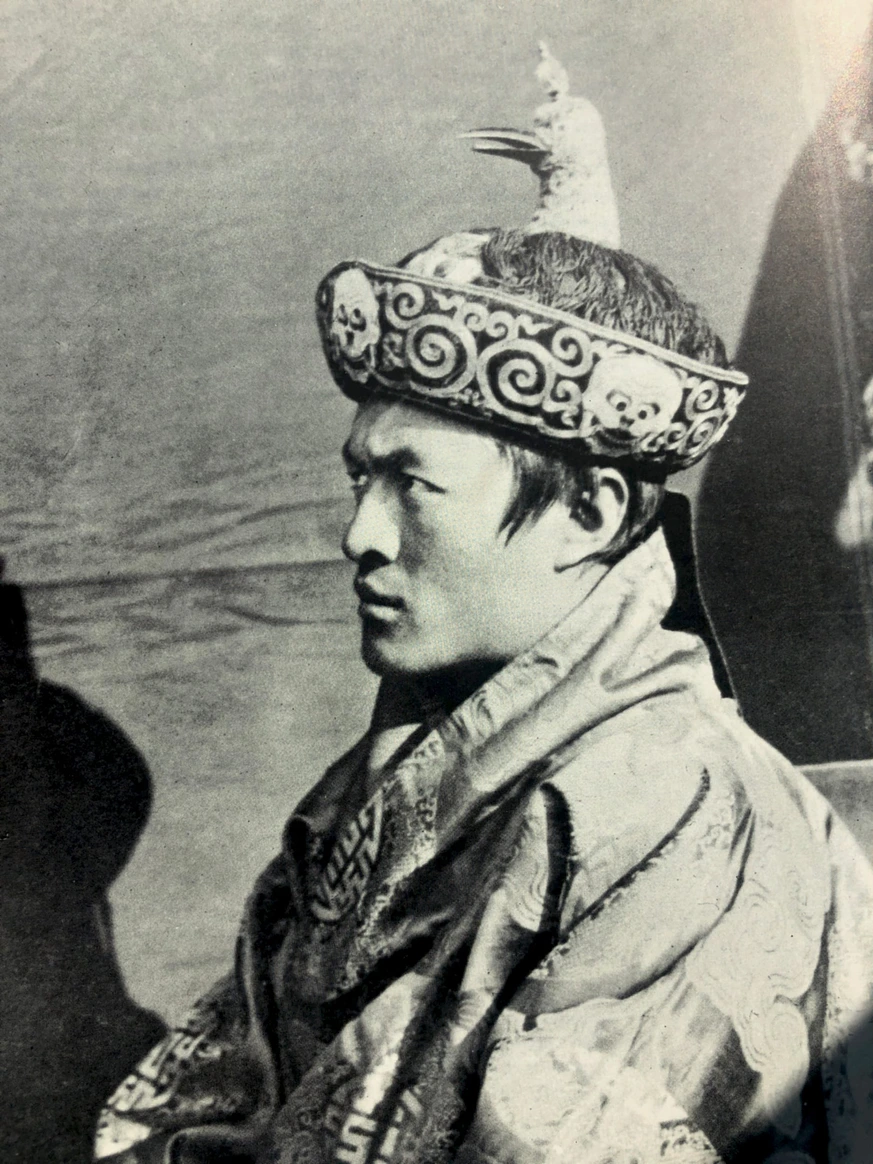
Jigme Wangchuck

Photo Credit: Yellow Bhutan

THIRD KING OF BHUTAN

1928 ➔ 1972

JIGME DORJI WANGCHUCK

The third king, Jigme Dorji Wangchuck was born in Thruepang palace in Trongsa in 1928 but also spent a significant part of his life at Wangduechhoeling at the service of his father, the second king. After his father passed he moved to Thimphu, leaving the residence to the queen mother, Ashi Pema Dechen, who later handed it to her eldest daughter, Ashi Choki.
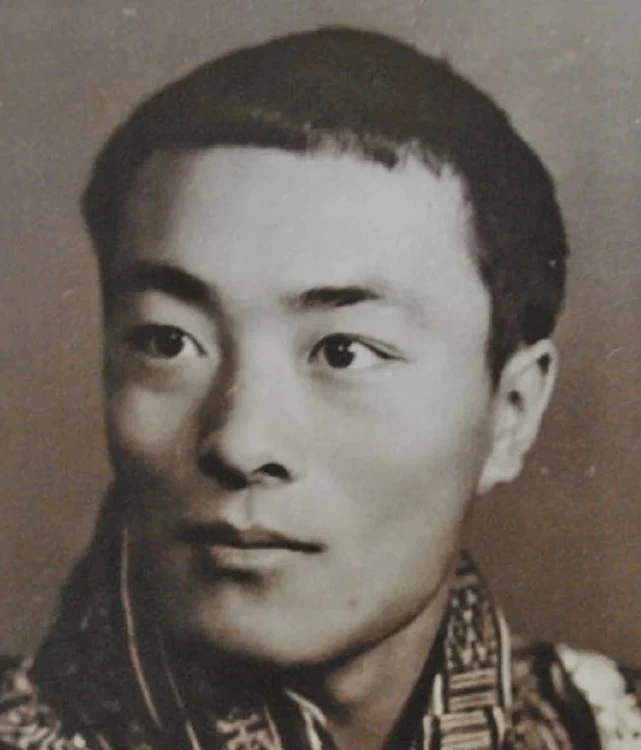
Jigme Dorji Wangchuck

Photo Credit: Yellow Bhutan

Step Inside the Palace

Explore the sacred halls of Bhutan’s royal cradle.

Exhibitions

Step Into the Living History of the Kingdom
Audio visual Gallery: Introduction Film

An introduction film to Bumthang, the Wangchuck dynasty, and the making of Wangduechhoeling Palace. It follows the palace from Jigme Namgyel’s rise and the reigns of the first Kings to its careful restoration as a museum and cultural centre. The film gives visitors the historical and architectural bearings for the galleries ahead.

Early History of Bhutan

Bhutan’s early history unfolds through an interactive touch table. The story begins with indigenous beliefs and the first Buddhist temples, then moves through Guru Rinpoche, Pema Lingpa, the spread of Buddhist schools, and Zhabdrung Ngawang Namgyel’s unification of the country.

Dual Governance and Zhabdrung

This gallery examines two decisive stages in Bhutan’s political formation. Zhabdrung Ngawang Namgyel’s introduction of Choesi Nyidhen joined religious and secular authority within a dual system, symbolised by a white silk scarf knotted over a golden yoke. His Nga Chudruma seal expressed spiritual authority and state power through the “Sixteen Is”

Educational Programs

Inspiring curiosity and cultural pride in Bhutan’s future guardians.
Inter School Cultural Competition
Summer Weaving Program for Students
Inter School Theatrical Performance Competition
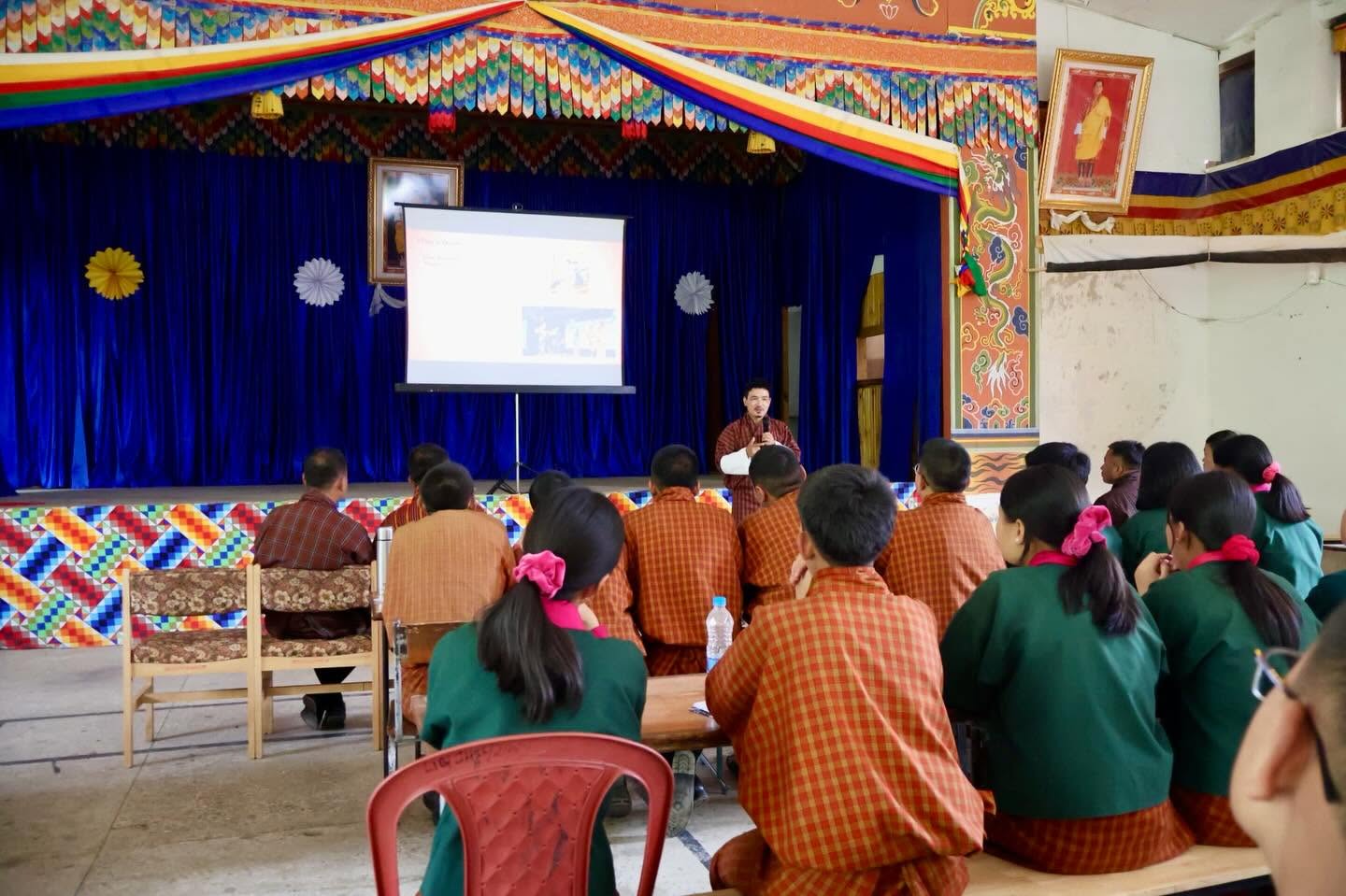
Educational Visits and Guided Tours

News & Updates

Stay Connected with the Living Legacy of the Palace
Location & Address
Operating Hours

Support Us

Help us protect Bhutan’s royal heritage for generations to come. Your contribution supports ongoing restoration, artifact conservation, and cultural education programs at the palace.